

- Why Grilled Oysters Are Worth the Effort
- The Classic: New Orleans-Style Charbroiled Oysters
- Essential Equipment
- Classic Garlic-Butter Grilled Oysters Recipe
- Four More Grilled Oyster Variations to Try
- Cajun Bacon Butter
- Herb-and-Lemon Butter (Mediterranean Style)
- Spicy Asian-Inspired Glaze
- Oysters Rockefeller on the Grill
- Choosing the Right Oysters for Grilling
- Pro Tips for Perfect Grilled Oysters
- What to Serve with Grilled Oysters
- Common Mistakes to Avoid
- Can You Grill Oysters Without Shucking First?
- FAQ
- How long do you grill oysters?
- What temperature should the grill be for oysters?
- Do you need to shuck oysters before grilling?
- Can you grill oysters on a gas grill?
- What are the best oysters for grilling?
- Are grilled oysters safe to eat?
- How many grilled oysters per person?
There’s a moment — usually around the time the butter starts sizzling and the flames lick up through the grate — when you realize that grilled oysters might be one of the greatest things you can cook outdoors. The shells char and crackle. The garlic butter bubbles. The cheese melts into golden pools. And the whole thing smells so impossibly good that your neighbors start wandering over uninvited.
If you’ve ever had charbroiled oysters in New Orleans or watched someone grill a batch at a summer cookout and thought “I need to learn how to do that,” this is your guide. A great grilled oysters recipe is simpler than you’d think, and once you’ve nailed it, you’ll wonder why you ever served oysters any other way during grilling season.

Why Grilled Oysters Are Worth the Effort
Raw oysters get all the glamour, but grilled oysters deserve their own moment in the spotlight. Cooking an oyster on the grill does something remarkable — it concentrates the briny sweetness, softens the texture to something almost buttery, and creates an entirely new canvas for flavor. Where a raw oyster is all about subtlety and delicate ocean flavor, a grilled oyster is bold, rich, and deeply satisfying.
There’s also the practical appeal. Grilling opens the shells for you (or at least loosens them), which means less wrestling with an oyster knife. And unlike raw oysters, which demand absolute freshness and careful handling, grilled oysters are surprisingly forgiving — the heat takes care of any food safety concerns, making them a great entry point if you’re still working up the nerve to eat oysters for the first time.
The Classic: New Orleans-Style Charbroiled Oysters
You can’t talk about grilled oysters without talking about New Orleans. The city’s charbroiled oyster tradition, popularized in the early 1990s, turned a simple concept — oysters, butter, garlic, cheese, fire — into one of the most iconic dishes in American seafood cooking. If you’ve ever visited the French Quarter and smelled that intoxicating mix of charring shells and melting Parmesan drifting down the street, you know exactly what I mean.
The beauty of the New Orleans approach is its simplicity. You don’t need a culinary degree or a pantry full of exotic ingredients. You need good oysters, good butter, garlic, herbs, cheese, and a hot grill. That’s it.
Essential Equipment
Before you fire up the grill, make sure you have everything ready. Grilled oysters come together fast once the grill is hot, so preparation is key.
A charcoal or gas grill: Either works, but charcoal gives you that authentic smoky flavor and the dramatic flare-ups that are part of the experience. If using gas, crank it to high.
An oyster knife and towel: You’ll need to shuck the oysters before grilling, opening the top shell while keeping the oyster in the deeper bottom shell. A sturdy kitchen towel protects your hand.
Long-handled tongs: Essential for placing oysters on the grate and removing them without spilling the precious butter-liquor mixture.
A sheet pan: For carrying shucked oysters to and from the grill. Line it with a layer of rock salt or crumpled foil to keep the shells stable. A pink salt plate does the same job and looks better on the table; our family salt shop Salt’sUp explains how to grill and serve on a salt plate.
Heat-resistant gloves: Optional but highly recommended, especially when working over a very hot charcoal fire.
Classic Garlic-Butter Grilled Oysters Recipe
This is the foundational recipe — the one you’ll come back to again and again. It’s inspired by the New Orleans tradition but streamlined for the home cook.
Ingredients (serves 4 as an appetizer):
24 fresh oysters (in the shell), 1 stick (8 tablespoons) unsalted butter, 4 cloves garlic (finely minced), 2 tablespoons fresh flat-leaf parsley (finely chopped), 1 tablespoon fresh lemon juice, 1/2 teaspoon dried oregano, 1/4 teaspoon cayenne pepper (or to taste), 1/2 cup freshly grated Parmesan cheese, 1/4 cup grated Pecorino Romano cheese, salt and freshly ground black pepper to taste, lemon wedges for serving, and crusty French bread for soaking up every last drop.
Step 1: Make the garlic butter. Melt the butter in a small saucepan over medium-low heat. Add the minced garlic and cook for about 1 minute — just until fragrant, not browned. Remove from heat and stir in the parsley, lemon juice, oregano, and cayenne. Season with a pinch of salt and black pepper. Keep warm.
Step 2: Prep the oysters. Shuck the oysters, discarding the top shells and keeping the oysters nestled in their bottom shells with as much liquor as possible. Arrange them on a sheet pan lined with rock salt for stability.
Step 3: Heat the grill. Get your grill blazing hot — you want at least 500°F (260°C). If using charcoal, let the coals burn until they’re covered with white ash and glowing intensely. This high heat is crucial for getting that characteristic char on the shells.
Step 4: Grill the oysters. Carefully place the oysters directly on the grill grate, shell side down. Let them cook for 2-3 minutes until the liquor starts to simmer. Then spoon about a tablespoon of the garlic butter mixture over each oyster — don’t be shy, you want some to overflow and hit the flames, creating those beautiful smoky flare-ups.
Step 5: Add the cheese. Sprinkle the mixed Parmesan and Romano over each oyster. Close the grill lid and cook for another 2-3 minutes, until the cheese is melted and bubbling and the edges of the oysters are just starting to curl.
Step 6: Serve immediately. Use tongs to transfer the oysters to a platter. Hit them with a squeeze of fresh lemon, scatter a little extra parsley on top, and serve with crusty bread for mopping up the garlicky, cheesy butter that pools in the shells.
Four More Grilled Oyster Variations to Try
Once you’ve mastered the classic garlic-butter version, the world of grilled oysters opens up. Here are four variations that are each worth firing up the grill for.
Cajun Bacon Butter
Cook 4 slices of thick-cut bacon until crispy, then crumble. Mix the rendered bacon fat with 6 tablespoons of softened butter, 2 minced cloves of garlic, 1 teaspoon Cajun seasoning, a splash of hot sauce, and the juice of half a lemon. Spoon over the grilled oysters and top with the crumbled bacon and sliced green onions. This one is not subtle — and that’s exactly the point.
Herb-and-Lemon Butter (Mediterranean Style)
Combine 1 stick of softened butter with 2 tablespoons finely chopped fresh herbs (a mix of parsley, chives, and tarragon works beautifully), the zest of one lemon, 1 minced garlic clove, and a pinch of flaky sea salt. Top the grilled oysters with toasted breadcrumbs and a drizzle of good olive oil. This is the version to make when you want something lighter and more elegant — perfect alongside a glass of chilled Chablis.
Spicy Asian-Inspired Glaze
Whisk together 2 tablespoons melted butter, 1 tablespoon soy sauce, 1 teaspoon sesame oil, 1 teaspoon rice vinegar, a squeeze of lime, and a pinch of red pepper flakes. Spoon over the oysters during the last minute of grilling. Garnish with thinly sliced scallions and a sprinkle of toasted sesame seeds. The umami-on-umami combination with the briny oyster is absolutely addictive.
Oysters Rockefeller on the Grill
This is a grilled take on the classic baked preparation. Sauté a handful of baby spinach with minced shallots and a splash of Pernod (or any anise-flavored liqueur) until wilted. Spoon the spinach mixture over each shucked oyster, top with a combination of breadcrumbs, melted butter, and Parmesan, then grill with the lid closed for 4-5 minutes until golden and bubbly. It’s Oysters Rockefeller without heating up your kitchen.
Choosing the Right Oysters for Grilling
While almost any oyster can be grilled, some varieties work better than others. For grilling, you want oysters that are on the larger side — small, delicate varieties like Kumamotos are better enjoyed on the half shell.
Best choices for grilling: Blue Points, Gulf oysters (the classic New Orleans choice), Pacific oysters, and Virginicas. These varieties are large enough to hold up to the heat and have deep cups that cradle the butter mixture beautifully.
How many to buy: Plan on 6 oysters per person as an appetizer, or 12 per person if grilled oysters are the main event. When in doubt, buy more — they disappear faster than you’d think. For help with bulk buying, our guide on how many oysters are in a bushel can help you plan for larger gatherings.
Buy your oysters the day you plan to grill them if possible. Store them in the refrigerator, cup side down, covered with a damp towel. Never store oysters in sealed plastic bags or submerged in water — they need to breathe.
Pro Tips for Perfect Grilled Oysters
Pre-shuck for ease, or let the grill do the work. You have two options: shuck the oysters before grilling (which gives you more control over toppings) or place whole, unshucked oysters directly on the grill until they pop open (about 5-7 minutes). The pre-shucked method is better for butter-topped preparations. The whole-oyster method is great for a casual cookout where simplicity is king.
Don’t walk away from the grill. Grilled oysters go from perfectly done to overcooked in about 60 seconds. The oyster is ready when the edges just start to curl and the butter is actively bubbling. Pull them off immediately.
Let the butter overflow. In New Orleans, the flare-ups from butter dripping onto the coals are considered a feature, not a bug. That smoky char is part of the flavor. Just keep your tongs handy and don’t lean too far over the grill.
Make extra compound butter. Whatever butter recipe you choose, make at least double. You’ll want extra for the crusty bread that should absolutely be part of this meal, and leftover compound butter freezes beautifully for up to two months.
Keep coals hot for multiple batches. If you’re grilling more than two dozen oysters (and trust me, you will be), have a charcoal chimney ready with fresh coals. As the first batch of coals cools down, add new ones to maintain that intense heat.
What to Serve with Grilled Oysters
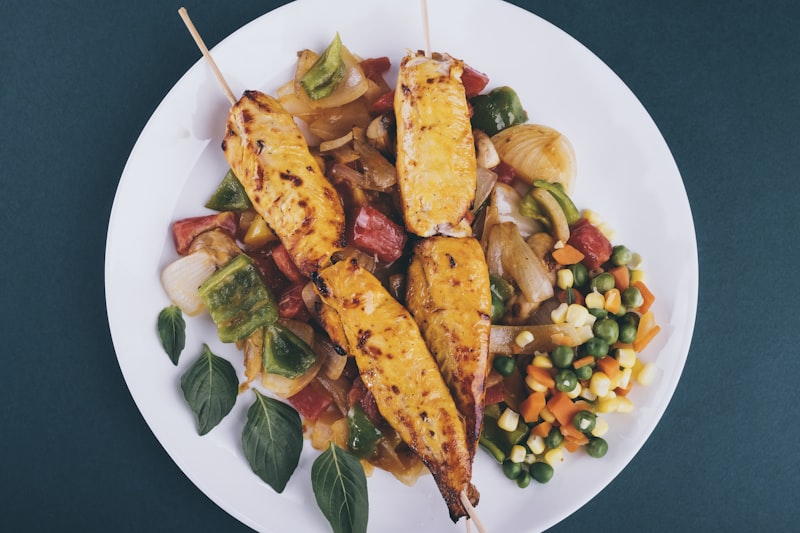
Grilled oysters are bold enough to anchor a meal, but they’re also fantastic as a starter course. Here’s what pairs well — for more ideas, check out our complete guide on what to eat with oysters.
Bread: A warm, crusty baguette or sourdough is non-negotiable. You need something to soak up that garlic butter.
Wine: A crisp, unoaked white wine like Muscadet, Sancerre, or a dry rosé. Champagne is always welcome. The acidity cuts through the richness of the butter beautifully.
Beer: A cold pilsner or wheat beer complements grilled oysters perfectly. For the Cajun bacon version, reach for an IPA or pale ale.
Sides: A simple green salad with a bright vinaigrette, grilled corn on the cob, or coleslaw. Keep the sides light — the oysters are the star.
More seafood: If you’re building a full seafood grill spread, add grilled shrimp, corn, and sausage for a backyard take on a Low Country boil.
Common Mistakes to Avoid
Using a cold grill. The number one mistake. If your grill isn’t scorching hot, the oysters will steam instead of char, and you’ll miss out on that caramelized, smoky flavor that makes grilled oysters special.
Overcooking. An overcooked oyster is rubbery, shrunken, and sad. Watch for the edges to curl slightly — that’s your signal. The whole process from raw to perfect takes just 4-6 minutes.
Skimping on the butter. This is not the time for restraint. A generous spoonful of garlic butter per oyster is the minimum. The butter that overflows into the shell and onto the coals is what creates the magic.
Not having bread ready. The puddle of garlic-cheese butter left in each shell after you eat the oyster is, arguably, the best part. Without bread to soak it up, it goes to waste. That’s a culinary crime.
Grilling in the wrong weather. Wind is the enemy of consistent grill temperature. If it’s gusty, position your grill behind a windbreak, or save the grilled oysters for a calmer evening.
Can You Grill Oysters Without Shucking First?
Absolutely — and it’s actually the easiest way to introduce yourself to grilled oysters. Place whole, unshucked oysters directly on a hot grill with the deeper (cupped) side down. Close the lid and wait 5-7 minutes. The heat will cause the shells to pop open. Use tongs to remove them, discard the top shell, and add your butter and toppings to the opened oyster. It’s a more rustic approach, but it works beautifully for a casual backyard gathering.
The trade-off: you have less control over toppings (the butter goes on after cooking rather than during), and some of the natural liquor may spill as the shells open. But the convenience factor is hard to beat, especially if your oyster-shucking skills are still developing.
FAQ
How long do you grill oysters?
Pre-shucked oysters on a hot grill take 4-6 minutes total — about 2-3 minutes before adding butter and cheese, then another 2-3 minutes with the lid closed. Whole unshucked oysters take 5-7 minutes until the shells pop open. The key indicator is when the edges of the oyster meat start to curl slightly.
What temperature should the grill be for oysters?
As hot as you can get it — ideally 500°F (260°C) or higher. High heat is essential for getting that characteristic char on the shells and creating smoky flare-ups from the dripping butter. If using gas, set all burners to high. For charcoal, let the coals get white-hot.
Do you need to shuck oysters before grilling?
Not necessarily. You can grill them either way. Pre-shucking gives you better control over toppings and allows the butter to cook with the oyster. Grilling whole oysters is easier and the heat opens the shells for you, but you add toppings after cooking.
Can you grill oysters on a gas grill?
Yes, gas grills work well for grilled oysters. Set all burners to high and let the grill preheat for at least 10-15 minutes. You won’t get quite the same smoky char as charcoal, but the results are still excellent. Adding a handful of soaked wood chips in a smoker box can boost the smoky flavor.
What are the best oysters for grilling?
Larger, heartier varieties work best: Gulf oysters, Blue Points, Pacific oysters, and Virginicas. These have deep cups and enough meat to stand up to high heat. Save smaller, more delicate varieties like Kumamotos and Olympias for eating raw on the half shell.
Are grilled oysters safe to eat?
Yes — grilling oysters to an internal temperature of 145°F (63°C) eliminates harmful bacteria, making them safer than raw oysters for people who are concerned about food safety. If you want to learn more about oyster safety, check out whether oysters are alive when you eat them and why freshness matters.
How many grilled oysters per person?
As an appetizer, plan for 6 oysters per person. As a main course, 12 per person is standard. For a party or cookout, plan for somewhere in between and supplement with bread, sides, and other grilled items. Fair warning: people almost always eat more grilled oysters than they think they will.
About the Author


Piret Ilver
Piret is the founder of HowToEatOyster.com and has spent years exploring oyster bars, shucking at home, and learning from master shuckers across Europe and North America. What started as a personal quest to overcome a fear of raw seafood turned into a passion for sharing oyster knowledge with beginners and enthusiasts alike. Every article is based on hands-on experience, research, and a genuine love for the craft of oyster appreciation.